What Are Connectivity Issues in HSSGamepad?
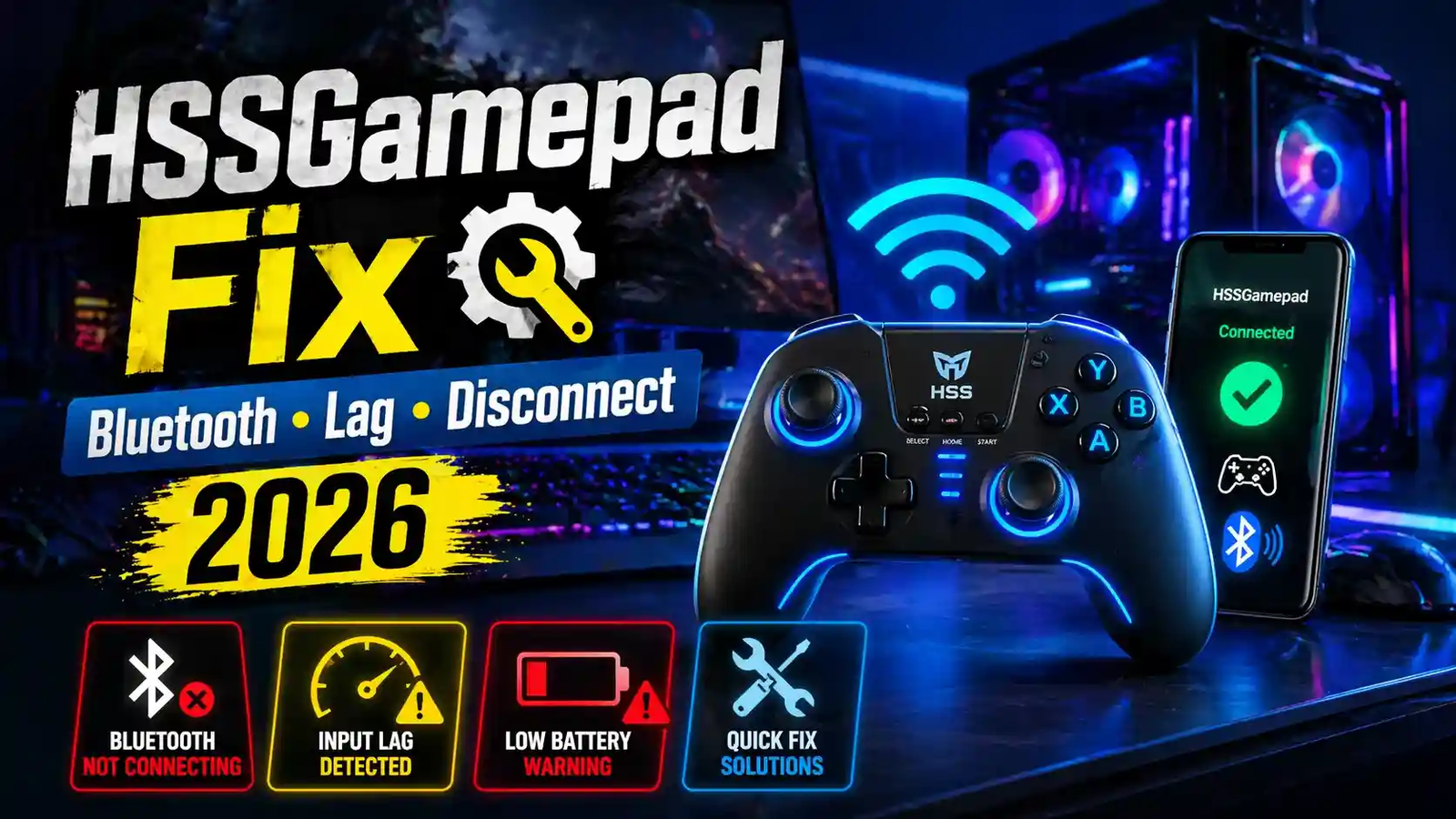
Connectivity issues HSSGamepad refers to the problems users face when their game controller fails to properly connect, maintain connection, or respond correctly to a device such as a PC, Android phone, or console. These issues often show up as disconnections, input lag, pairing failures, or the controller not being detected at all.
In simple terms, it means the gamepad cannot connectivity issues hssgamepad communicate smoothly with the device it is supposed to control. This can happen in both wireless (Bluetooth or 2.4GHz) and wired USB modes, depending on the setup and environment.
Modern gaming controllers rely heavily on stable signals and updated drivers, so even small interruptions in software or hardware can create noticeable connectivity instability.
Why Connectivity Issues HSSGamepad Happen
connectivity issues hssgamepad usually come from a mix of hardware, software, and environmental factors. One of the most common causes is outdated or incompatible drivers on the host device, which prevents proper communication between system and controller.
Another frequent issue is signal interference. Devices like Wi-Fi routers, Bluetooth headphones, and even other controllers can disrupt the wireless connection, leading to lag or disconnection during gameplay.
Low battery, background apps, and improper pairing settings can also contribute. Even a small configuration error can break the connection flow between the controller and the device.
Bluetooth Pairing Failures and Connection Drops
Bluetooth pairing problems are one of the most reported connectivity issues with HSSGamepad. Users often experience difficulty in detecting the controller or completing the pairing process successfully.
In many cases, the controller either does not appear in the Bluetooth list or connects briefly before disconnecting again. This usually happens due to incorrect pairing mode, outdated system Bluetooth drivers, or previously saved device conflicts.
connectivity issues hssgamepad drops during gameplay are also common. These drops are often caused by interference from nearby wireless devices or weak battery levels that reduce signal stability.
Wireless Interference and Environmental Factors
Wireless interference is a major hidden cause of connectivity issues in HSSGamepad. Signals from Wi-Fi routers, microwaves, and multiple Bluetooth devices can overlap and weaken controller performance.
Physical obstacles also play a role. Walls, metal objects, and even human bodies can block or weaken Bluetooth signals, leading to unstable gameplay performance.
In some environments, water sources or dense electronic setups may also reduce signal strength. Because of this, maintaining a clear and open space between controller and device is essential for stable connectivity.
USB and Wired Mode Connection Problems
Even wired connectivity issues hssgamepad are not completely free from connectivity issues. Faulty USB cables, damaged ports, or low-quality connectors can cause sudden disconnections or unresponsive controls.
Another common issue is using incompatible USB ports, especially USB hubs that do not supply stable power. This can result in delayed input or complete device recognition failure.
In many troubleshooting guides, switching to a different USB port or using a high-quality cable is often recommended as an immediate fix for unstable wired performance.
Driver and Software Conflicts in HSSGamepad
Software-related problems are another major reason behind connectivity issues. Outdated drivers or missing firmware updates can prevent the controller from syncing correctly with the operating system.
Sometimes, background applications interfere with controller inputs, especially on Windows systems where multiple input devices are active simultaneously. This creates conflicts that result in lag or disconnection.
Keeping system drivers updated and ensuring firmware compatibility significantly reduces these types of issues and improves long-term performance stability.
Advanced Troubleshooting Methods for Stability
When basic fixes do not work, advanced troubleshooting becomes necessary. One effective method is resetting the controller and re-pairing it from scratch, which clears hidden pairing errors and restores default settings.
Another important step is checking input modes. Some HSSGamepad models support different modes like X-input and D-input, and using the wrong mode can cause games or systems to fail in recognizing the controller correctly.
Updating firmware, testing on multiple devices, and reducing background system load are also proven ways to improve stability during gameplay sessions.
How to Prevent Connectivity Issues in HSSGamepad
connectivity issues hssgamepad Preventing connectivity issues requires consistent maintenance and proper setup habits. Keeping the controller fully charged is one of the simplest yet most effective ways to avoid signal drops and pairing failures.
Regularly updating drivers and firmware ensures that the controller remains compatible with system updates and game requirements. This reduces unexpected connection errors during use.
It is also important to minimize interference by keeping the gaming area free from unnecessary wireless devices and ensuring a stable physical distance between controller and receiver.
Final Thoughts on Connectivity Issues HSSGamepad
Connectivity issues in HSSGamepad are usually not caused by a single fault but by a combination of small technical factors such as interference, outdated drivers, or pairing errors. While these problems can be frustrating, most of them are fixable with simple troubleshooting steps.
Understanding how wireless signals, drivers, and system settings interact helps users quickly identify and resolve issues without needing advanced technical support. In most cases, the controller itself is not defective.
With proper setup, regular updates, and a stable environment, HSSGamepad can deliver smooth and responsive gaming performance across multiple devices.