Introduction: Why 5036626023 Is Being Searched
The phone number 5036626023 has been widely searched by users after receiving unexpected calls. In the modern digital communication landscape, unknown numbers often raise immediate concerns because spam calls, robocalls, and scam attempts have increased significantly worldwide.
Users typically 5036626023 search numbers like this when they receive missed calls, silent calls, or repeated outbound attempts without a clear voicemail. This behavior is part of a broader trend where people verify unknown callers before engaging, especially to avoid fraud or telemarketing harassment.
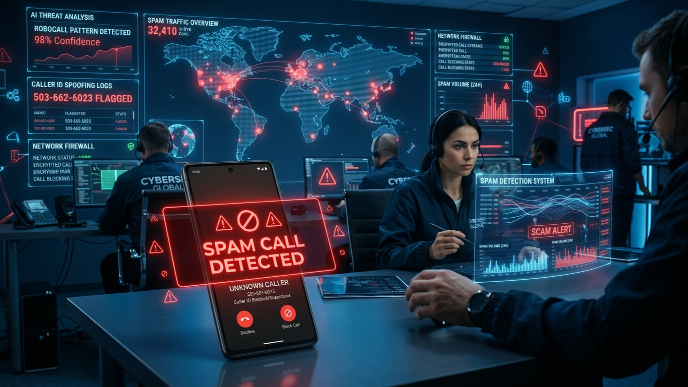
Based on publicly available caller-reporting platforms, 5036626023 has been flagged by users as a potential spam or robocall number, making it important to understand how such systems work and how users should respond safely.

Origin and Basic Identification of 5036626023
The number 5036626023 follows the North American Numbering Plan, where the area code 503 is associated with Oregon, United States. On the surface, this suggests a geographic origin, but modern telecommunication systems make it possible for numbers to be spoofed or masked.
Caller ID spoofing technology allows callers to display a different number than the actual origin of the call. This means that even if a number appears to come from Oregon, the real source could be located anywhere in the world.
Because of this, area code alone is no longer a reliable method for identifying legitimate callers. Many spam operations intentionally use familiar-looking regional numbers to increase the chances that users will answer.
Reported Activity and User Complaints About 5036626023
According to spam reporting databases, 5036626023 has been reported by users for suspicious or unwanted call behavior, including robocall-style activity and unsolicited communication patterns.
User feedback often highlights patterns such as repeated calls, silence after answering, or automated messages. These are typical indicators of a robocall system rather than a legitimate personal or business contact.
While individual reports may vary, repeated negative feedback across platforms is a strong signal that the number is associated with spam-related activity. This helps other users identify potential risk before answering future calls.
Why Numbers Like 5036626023 Are Used in Robocalls
Robocall systems are automated dialing platforms designed to place thousands of calls per hour. These systems are widely used for marketing, surveys, and customer outreach, but they are also frequently exploited for scam-related purposes.
Numbers like 5036626023 may be part of a rotating number pool used by automated systems. This means the same organization can switch between many different numbers to avoid being blocked or flagged.
Another common technique is number spoofing, where the displayed caller ID is artificially generated. This makes it extremely difficult for users to trace the true origin of the call.
How Robocall Systems and Caller ID Spoofing Work
Robocall systems use software-based dialing technologies that automatically call phone numbers from large databases. When a call is answered, it may connect to a live agent or play a recorded message.
Caller ID spoofing adds another layer of complexity by altering the number displayed on the recipient’s device. This is often used to make the call appear local or trustworthy, increasing the chance of user interaction.
Because of these technologies, even reported numbers like 5036626023 cannot always be traced to a single fixed source, making identification and blocking more challenging.
Potential Risks of Answering Unknown Numbers
Answering unknown calls such as 5036626023 can expose users to several risks, especially if the caller is part of a scam operation. One major risk is social engineering, where callers attempt to trick users into revealing personal or financial information.
Another risk involves phishing attempts, where callers impersonate banks, delivery services, or government agencies to gain trust. These scams often rely on urgency or fear to pressure users into making quick decisions.
Even if no scam occurs, answering spam calls may confirm that a number is active, leading to more frequent unwanted calls in the future.
How to Identify Spam or Robocall Behavior
There are several signs that can help users identify suspicious numbers like 5036626023. One common indicator is repeated missed calls without voicemail messages, which often suggests automated dialing systems.
Another warning sign is delayed response after answering, where there is silence before a voice or recording begins. This is typical of predictive dialers used in mass calling systems.
Calls that request personal data, financial details, or immediate action should always be treated with caution, especially if the caller is not clearly identifiable.
What You Should Do If You Receive a Call From 5036626023
If you receive a call from 5036626023, the safest action is to avoid sharing any personal information. If the call appears suspicious, it is best not to engage and let it go to voicemail.
Blocking the number is one of the most effective steps to prevent repeated calls. Most smartphones and carriers now include built-in spam filtering tools that automatically detect and reduce unwanted calls.
Users are also encouraged to report suspicious numbers to spam detection platforms or their mobile carrier. This helps improve detection systems and protects other users from similar calls.
Conclusion: Understanding the Risk Behind 5036626023
The number 5036626023 has been widely associated with spam or robocall reports, based on user feedback and call behavior patterns.
While the number may appear to originate from a legitimate geographic area, modern technologies like caller ID spoofing and automated dialing systems make it difficult to confirm true ownership or origin.
The most important takeaway is awareness. Users should treat unknown numbers with caution, avoid sharing sensitive information, and use blocking and reporting tools when necessary. Staying informed is the best defense against unwanted or potentially harmful phone communication.