In today’s connected world, the IP address 192 l.168.1.1is one of the most important elements in home and office networking. It is a private IPv4 address that acts as the default gateway for many routers, allowing users to access their network settings through a web-based admin panel. Every time you connect to WiFi, your router silently uses internal IP addresses like this to manage traffic between your devices and the internet.
The address 192 l.168.1.1 is widely used because it provides a simple entry point for configuring internet settings, managing connected devices, and improving network security. Most major router manufacturers such as TP-Link, Netgear, D-Link, ASUS, Linksys, and Huawei use this IP as their default login gateway, making it a universal standard for home networking control.
What Is 192 l.168.1.1 and Why It Is Used in Networks
The IP address 192.168.1.1 is part of a reserved private IP range defined under RFC 1918, which is specifically designed for internal network use. This means it cannot be accessed from the public internet and only works within a local network such as your home WiFi or office LAN.
This address is commonly assigned as the “default gateway,” meaning it is the central point through which all devices in a network communicate with the internet. When your phone or laptop sends a request to open a website, that request first passes through the router operating at 192.168.1.1 before reaching the global internet. This makes it the core control point of your entire network system.
How 192 l.168.1.1 Works as a Router Gateway
Inside a typical home network, every connected device is assigned a local IP address by the router using DHCP (Dynamic Host Configuration Protocol). The router itself uses 192.168.1.1 to manage these connections and route traffic efficiently between internal devices and external servers.
When you type a web address into your browser, the request travels from your device to the router at 192.168.1.1. The router then performs Network Address Translation (NAT), converting your private request into a public internet request. Once the response is received, it is sent back to your device through the same gateway, ensuring smooth and organized communication between all connected systems.
Accessing the Router Admin Panel Through 192.168.1.1
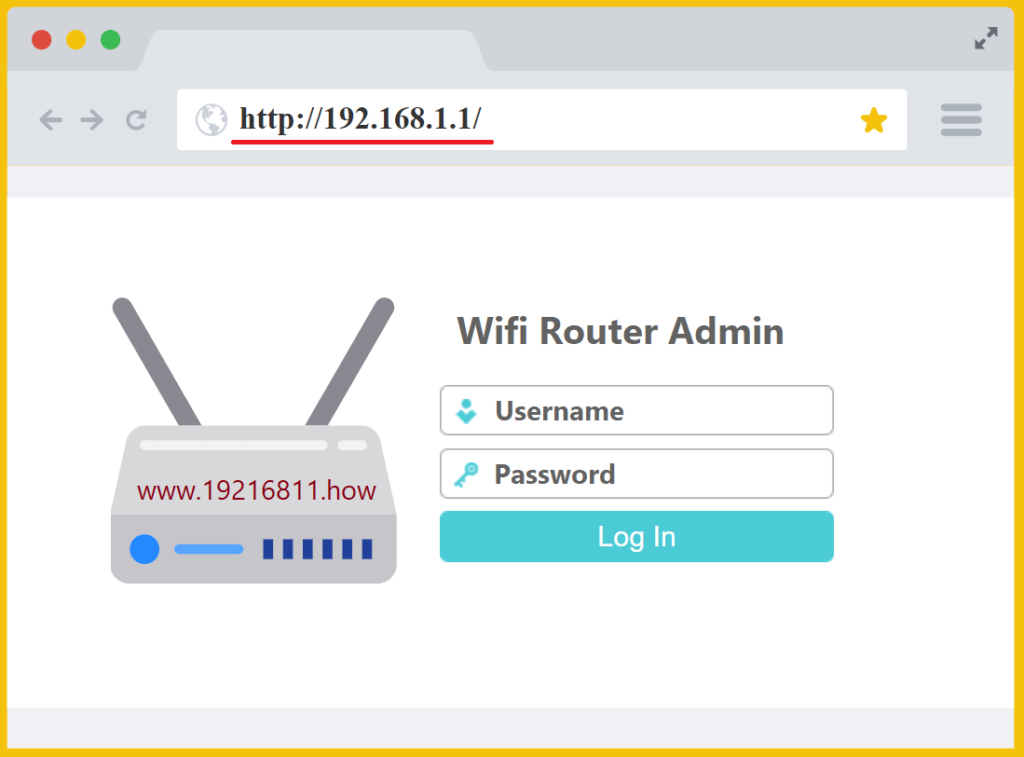
One of the primary functions of 192.168.1.1 is to open the router’s admin login page. By entering this IP address into a web browser while connected to WiFi, users can access a secure dashboard that controls all network settings. This dashboard is essentially the “control room” of your internet connection.
Through this interface, users can manage WiFi names (SSID), change passwords, configure security settings, and monitor connected devices. The login usually requires a username and password, which are often printed on the router label by default. Once logged in, users gain full administrative control over their network configuration.
Private IP Address System and the Importance of 192.168.1.1
The 192 l.168.1.1 address belongs to a private IP block that allows millions of networks worldwide to use the same IP range without conflict. Because these addresses are not visible on the public internet, they can be reused across different homes and organizations safely.
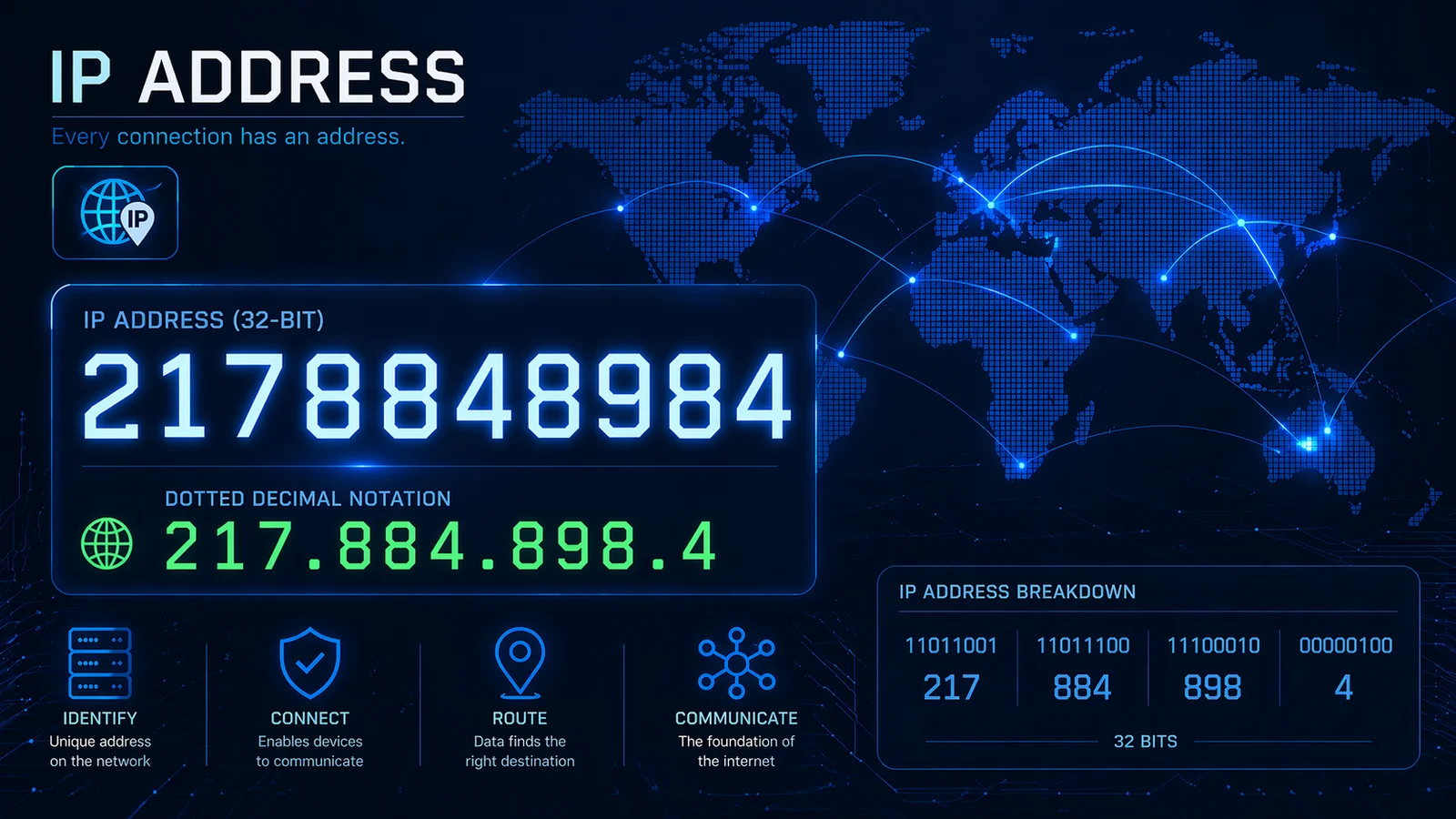
This system exists because IPv4 has limited address availability, with only about 4.3 billion possible addresses globally. Private IP ranges help reduce pressure on this limitation by allowing internal network reuse. As a result, routers can efficiently assign local IPs to multiple devices while still using a single public IP for external communication.
WiFi Configuration and Network Management Features
The 192.168.1.1 interface is not just for login—it is the central hub for WiFi customization and network control. Through this dashboard, users can change their WiFi name, update passwords, manage bandwidth usage, and set parental controls.
Modern routers also allow advanced configuration options such as guest networks, QoS (Quality of Service), and device prioritization. These features help optimize internet speed and ensure stable performance for streaming, gaming, and remote work. Many routers also include real-time device monitoring, allowing users to see exactly which devices are connected at any moment.
Security Importance of 192 l.168.1.1 Access
Security is one of the most critical reasons why 192 l.168.1.1 is widely used. If router settings are not properly secured, unauthorized users could potentially access the network, change settings, or intercept data traffic. This is why changing default login credentials is strongly recommended.
Routers accessed through 192.168.1.1 also support encryption protocols such as WPA2 and WPA3, which help secure wireless communication. Firmware updates available through the admin panel further strengthen security by fixing vulnerabilities and improving performance. Regular updates and strong passwords significantly reduce the risk of cyber intrusions.
Common Issues When Logging Into 192 l.168.1.1
Many users face issues when trying to access 192.168.1.1, usually due to incorrect configuration or network connection problems. One of the most common mistakes is typing the IP incorrectly or using a device that is not connected to the router’s WiFi network.
In some cases, the router may use a different default gateway such as 192.168.0.1 or 10.0.0.1 instead of 192.168.1.1. Checking network settings on your device can help identify the correct gateway IP. Restarting the router or resetting it to factory settings can also resolve access issues when login credentials are lost or settings become corrupted.
Advanced Router Settings Available at 192.168.1.1
Beyond basic WiFi settings, the 192.168.1.1 interface provides access to advanced networking features such as port forwarding, firewall configuration, DNS settings, and static IP assignment. These features are particularly useful for users who host servers, play online games, or manage smart home systems.
Advanced settings allow deeper control over how data flows within and outside the network. For example, port forwarding can improve gaming performance, while custom DNS settings can enhance browsing speed and security. However, incorrect configuration may lead to connectivity issues, so careful adjustments are always recommended.
Conclusion
The IP address 192 l.168.1.1 plays a central role in modern networking as the default gateway for accessing router settings and managing home or office internet connections. It serves as the control point for WiFi configuration, device management, security settings, and advanced network optimization.
As a private IP address, it operates only within local networks and ensures secure communication between connected devices without exposing internal systems to the public internet. Understanding how 192.168.1.1 works allows users to take full control of their network, improve performance, and strengthen security.
In an increasingly digital world, knowing how to use 192.168.1.1 is an essential skill for maintaining a stable, fast, and secure internet experience for all connected devices.