Unknown phone numbers like 9547459648 are commonly searched by users who receive missed calls or unexpected contact and want to understand whether the caller is safe, spam, telemarketing, or potentially fraudulent. In today’s digital communication environment, reverse phone lookup searches have become extremely common because spam calls, robocalls, and spoofed numbers are increasing globally. Many users no longer answer unknown numbers without verification, especially when the call has no voicemail or clear identification.
Based on publicly available community reports and reverse lookup databases, 9547459648 has been frequently associated with telemarketing activity, healthcare-related service calls, and outbound customer communication campaigns. Some users report the number as legitimate service outreach, while others describe it as unwanted or repetitive calling behavior. This mixed feedback pattern is typical for high-volume call centers that handle multiple campaigns or third-party communication services.
Because of this uncertainty, the number often falls into the “needs verification” category rather than being clearly classified as either safe or dangerous. Understanding how such numbers operate helps users make informed decisions before responding, sharing information, or calling back.
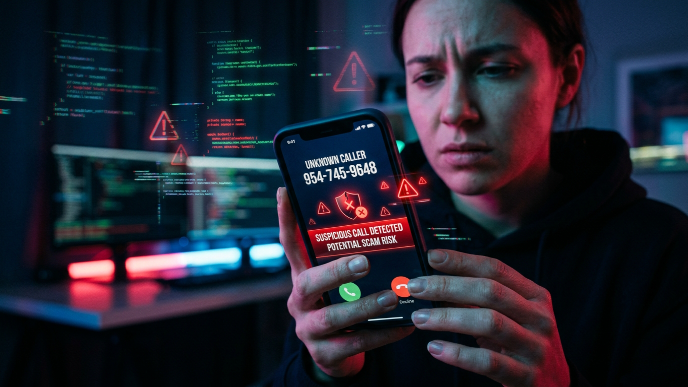
Why People Search 9547459648 After Receiving Calls
Most people search 9547459648 after receiving unexpected missed calls, repeated rings, or calls that disconnect quickly. These behaviors create confusion because the caller does not clearly identify themselves, leaving users unsure whether the call was important or not. In many cases, users worry that it might be a bank, hospital, delivery service, or official organization.
Another reason for searching is the rise of scam awareness. People are now more cautious due to increasing reports of fraud calls and robocall systems that impersonate legitimate institutions. Instead of calling back directly, users prefer to verify the number online first using reverse lookup tools and community feedback platforms.
This habit has become part of modern digital safety behavior. Users rely heavily on shared experiences from other people to judge whether a number is trustworthy or suspicious.
Nature of Calls Associated With 9547459648
Reports suggest that 9547459648 is often linked to telemarketing or service-based outbound calling activity. Such calls are typically made by automated systems or call center agents who contact users for follow-ups, promotional offers, or service updates.
Some users describe receiving healthcare-related calls, insurance reminders, or customer service follow-ups. Others report repeated unsolicited calls that feel intrusive or unnecessary. This variation is common when a number is used across multiple campaigns or outsourced communication services.
Even when calls are legitimate, lack of proper identification can make them feel suspicious. Users often react negatively when they receive frequent calls without context or explanation.
How Telemarketing and Robocall Systems Work
Telemarketing systems use automated dialing software to contact large numbers of users quickly. These systems can place thousands of calls per hour and often route answered calls to live agents or prerecorded messages. This allows companies to reach large audiences efficiently.
Robocalls, on the other hand, rely on automated voice messages. These messages may provide information, promotions, or service notifications. However, scammers also misuse similar systems to deliver fake warnings about bank accounts, unpaid bills, or urgent legal matters.
Even when systems are used for legitimate business purposes, they can still feel intrusive because users receive calls without prior consent or clear explanation.
Caller ID Spoofing and Why Numbers Cannot Always Be Trusted
One of the major challenges in identifying 9547459648 is caller ID spoofing. Spoofing allows callers to disguise their real phone number and display a different number on the recipient’s device. This technique is widely used in both marketing and scam operations.
Spoofing increases answer rates because users are more likely to pick up calls that appear local or familiar. Unfortunately, this also makes it difficult to trust the displayed number alone.
Because of spoofing, even if 9547459648 appears on your screen, the actual caller may be using a completely different origin or system. This is why behavior and context matter more than the number itself.
Warning Signs of Suspicious or Risky Calls
There are several warning signs that users should watch for when receiving calls from numbers like 9547459648. One of the most important signs is urgency. Callers who demand immediate action or pressure users into making quick decisions often use manipulation tactics.
Another warning sign is requests for sensitive information. Legitimate organizations usually do not ask for passwords, OTP codes, or banking details over unsolicited calls. Any such request should be treated with caution.
Other indicators include robotic voices, vague explanations, refusal to provide identification, or repeated silent calls. These patterns often suggest automated systems or poorly regulated calling practices.
Reverse Lookup Reports and Community Feedback
Reverse phone lookup platforms collect user-generated reports about numbers like 9547459648. These reports help create a general profile of how a number behaves based on real user experiences. Many users report whether calls are spam, telemarketing, or legitimate service-related communication.
According to community feedback, this number has been reported multiple times in connection with telemarketing and service follow-ups. Such reports help other users decide whether to answer, ignore, or block the number.
However, it is important to understand that these systems are not perfect. Some legitimate calls may be misclassified, and new spam numbers may not yet have enough reports to be flagged.
Telemarketing vs Scam Activity Explained
It is important to distinguish between telemarketing and scam activity. Telemarketing calls are generally legal business communications used for marketing or customer engagement. These calls may be annoying but are not always harmful.
Scam calls, however, are intentionally deceptive. Their goal is to trick users into sharing personal data, financial information, or access credentials. They often impersonate banks, government agencies, or trusted companies.
The key difference lies in intent. Telemarketing is promotional, while scam activity is fraudulent and designed to exploit users.
How to Stay Safe From Unknown Numbers Like 9547459648
The safest approach when receiving unknown calls is caution. Users should avoid sharing personal or financial information unless they are certain about the caller’s identity. If the call seems suspicious, it is better to disconnect and verify the information independently.
Blocking and reporting unwanted numbers can also help reduce future contact. Most smartphones include built-in spam detection systems that automatically warn users about suspected spam calls.
Staying informed about common scam tactics is also important. Awareness helps users recognize suspicious behavior early and avoid falling victim to fraud or manipulation attempts.
Conclusion
The number 9547459648 appears to be associated mainly with telemarketing and service-related outbound calls, based on user reports and reverse lookup data. While some users may receive legitimate communication, others report unwanted or repetitive contact, leading to caution and online searches for verification.
In today’s environment, unknown numbers should always be treated carefully due to risks such as spoofing, robocalls, and scam attempts. Even when a number is not confirmed as fraudulent, its behavior and calling pattern are more important than the number itself.
Ultimately, awareness and verification are the strongest defenses. By using reverse lookup tools, recognizing warning signs, and avoiding sharing sensitive information over unknown calls, users can significantly improve their phone safety and protect themselves from unwanted or risky communication.