In today’s digital world, every device connected to the internet relies on a unique identifier known as an IP address. The identifier 111.90.150.284 appears to follow the structure of an IPv4 address, which typically consists of four numerical segments. However, it’s important to note that valid IPv4 addresses only allow values between 0 and 255 in each segment, making “284” technically outside the valid range. This suggests that 111.90.150.284 may be incorrectly formatted, misinterpreted, or used as a placeholder in certain contexts.
Understanding such addresses is still valuable because they reflect how internet communication works. Whether valid or not, analyzing this structure helps users learn about networking, cybersecurity, and digital infrastructure. This article explains everything you need to know about IP addresses like 111.90.150.284 in a simple and practical way.

What Is an IP Address and How It Works
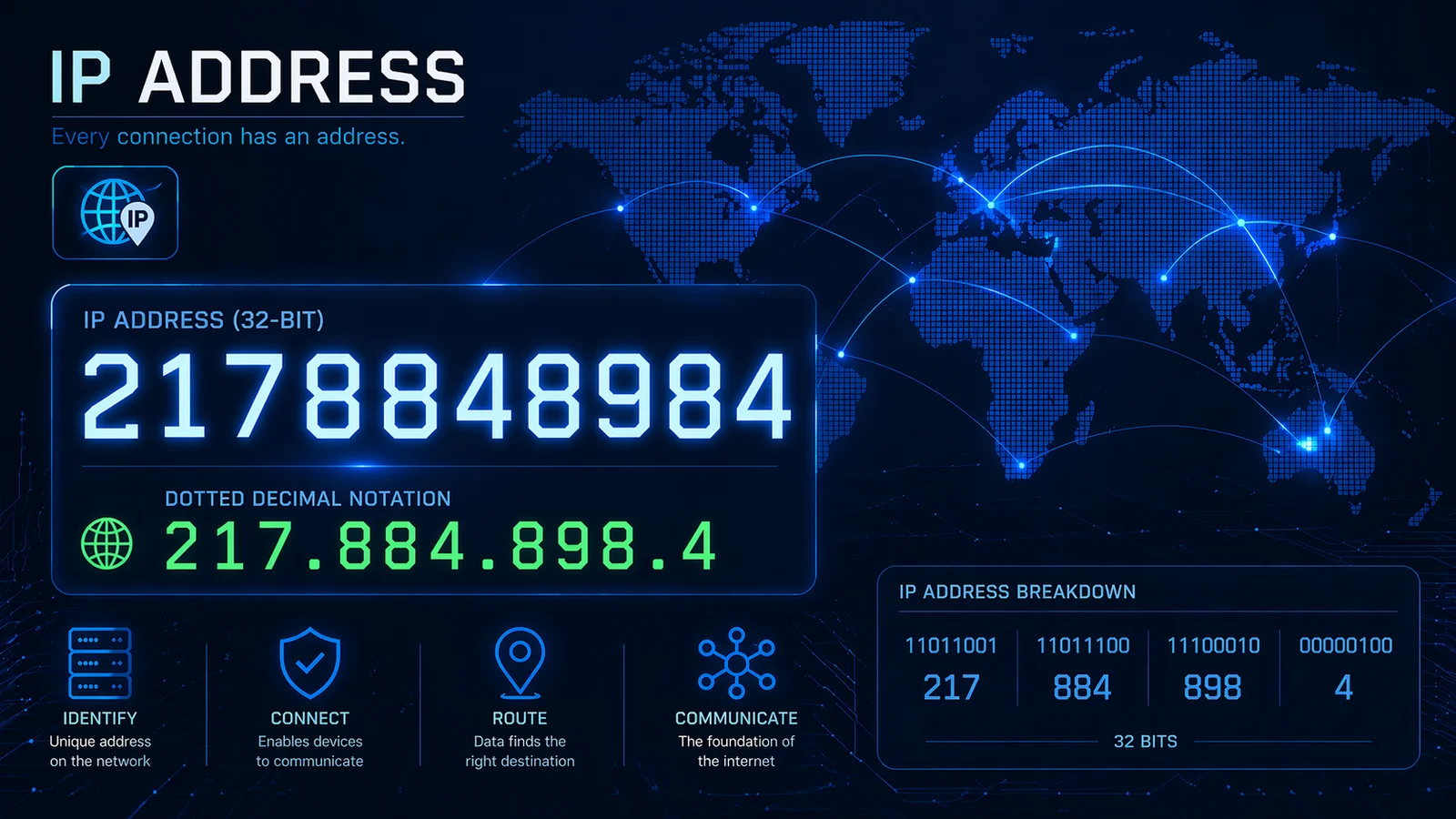
An IP address, short for Internet Protocol address, is a numerical label assigned to every device connected to a network. It acts like a digital address that allows devices to find and communicate with each other across the internet.
When you visit a website, send an email, or stream a video, your device sends requests using IP addresses. These addresses ensure that data reaches the correct destination without confusion. Without IP addresses, the internet would not function properly, as there would be no way to identify devices or route data accurately.
IP addresses serve two main purposes: identifying devices and providing location information within a network. This dual function makes them essential for maintaining order and efficiency in global digital communication systems.
Structure and Format of 111.90.150.284
The address 111.90.150.284 follows the IPv4 format, which consists of four numbers separated by dots. Each number is called an octet and typically ranges from 0 to 255.
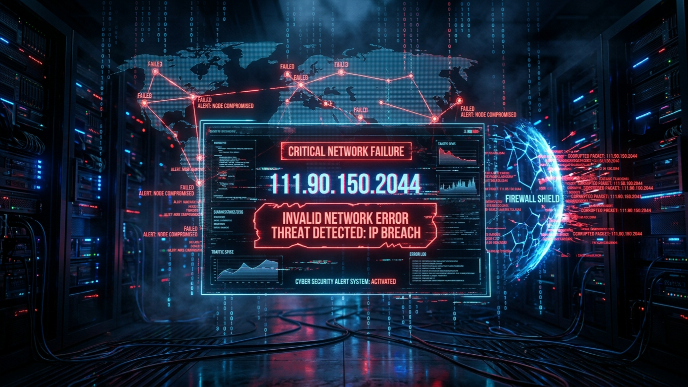
Breaking it down, the first three segments (111, 90, and 150) fall within the acceptable range, but the last segment (284) exceeds the maximum allowed value. This indicates that the address is not valid under standard IPv4 rules. In real-world networking, such an address would not function properly and would likely be rejected by systems.
Despite this limitation, the structure still demonstrates how IP addresses are designed. Each segment plays a role in identifying networks and individual devices, helping routers determine where data should be sent.
Importance of IP Address Validation
Validating IP addresses is crucial for maintaining reliable network communication. Systems rely on strict formatting rules to ensure that data packets are delivered correctly. If an address like 111.90.150.284 is used, it can lead to errors, failed connections, or misrouted data.
Network administrators and software systems use validation checks to confirm that each IP address falls within the acceptable range. These checks prevent invalid entries from disrupting communication or causing system failures.
Proper validation also improves security. Invalid or suspicious IP formats may indicate misconfigurations, user errors, or even attempts to bypass network controls. Ensuring accuracy helps maintain both functionality and safety.
Role of IP Addresses in Internet Communication
IP addresses are the backbone of internet communication. Every time you access a website, your device sends a request to a server using its IP address. The server then responds by sending data back to your IP address.
This process happens within milliseconds and involves multiple steps, including domain name resolution and routing through various network nodes. Routers analyze IP addresses to determine the most efficient path for data transmission.
Without IP addresses, there would be no way to identify where information should be sent or received. They ensure that billions of devices worldwide can communicate seamlessly and efficiently.
Public vs Private IP Addresses Explained
IP addresses are generally divided into two categories: public and private. Public IP addresses are used on the internet and allow devices to communicate globally. Private IP addresses, on the other hand, are used within local networks such as homes or offices.
Public IP addresses are assigned by internet service providers and are visible to external networks. Private IP addresses are hidden within internal systems and are not directly accessible from the internet.
Understanding this distinction is important when analyzing addresses like 111.90.150.284. Even if the format were valid, its classification as public or private would determine how it is used and accessed.
Common Uses of IP Addresses in Technology
IP addresses play a vital role in many areas of technology. They are used in web hosting, cloud computing, network management, and cybersecurity. Servers rely on IP addresses to host websites and applications, while users rely on them to access online services.
In cloud environments, IP addresses help manage virtual machines and distributed systems. They allow different components to communicate efficiently, even when they are located in different parts of the world.
Additionally, IP addresses are used for monitoring network activity. Administrators analyze traffic patterns to identify issues, optimize performance, and ensure system reliability.
Security Implications of IP Addresses
IP addresses are also important for cybersecurity. They help identify the source of network traffic and detect potential threats. Security systems monitor IP addresses to identify unusual behavior, such as repeated login attempts or suspicious activity.
However, it’s important to understand that an IP address alone does not reveal personal identity. It provides general location and network information but cannot pinpoint an individual without additional data.
Invalid or unusual IP formats, like 111.90.150.284, may raise red flags in security systems. Such anomalies can indicate configuration errors or attempts to exploit vulnerabilities.
Troubleshooting and Analyzing IP Addresses
When network issues occur, IP addresses are one of the first things administrators check. By analyzing IP logs and routing paths, they can identify where communication failures happen.
Tools such as ping tests, traceroute, and DNS lookups help diagnose problems related to IP addresses. These tools allow users to verify connectivity, measure latency, and identify network bottlenecks.
In the case of an invalid address like 111.90.150.284, troubleshooting would quickly reveal that the issue lies in the incorrect format. Correcting the address would be necessary to restore proper functionality.
Future of IP Addressing and Networking
As the internet continues to grow, the demand for IP addresses is increasing rapidly. 111.90.150.284 IPv4, the current standard, has a limited number of addresses, leading to the development of IPv6, which offers a much larger address space.
IPv6 uses a different format and provides enough addresses to support billions of devices, including smartphones, IoT devices, and smart infrastructure. This transition is essential for the future of global connectivity.
Understanding IP structures, including incorrect examples like 111.90.150.284, helps users prepare for evolving technologies. As networks become more complex, accurate addressing will remain a critical component of digital communication.
Conclusion
The IP address 111.90.150.284 provides an interesting case study in understanding how internet addressing works. While it follows the general structure of an IPv4 address, its invalid final segment highlights the importance of proper formatting and validation.
IP addresses are essential for identifying devices, routing data, and maintaining communication across the internet. From everyday browsing to advanced cloud computing, they play a central role in modern technology.